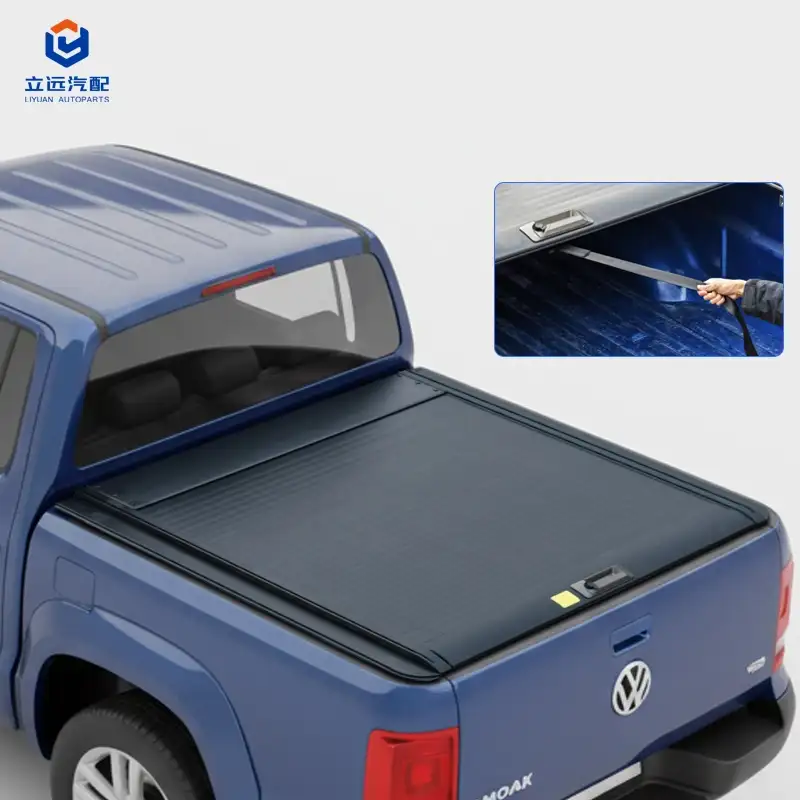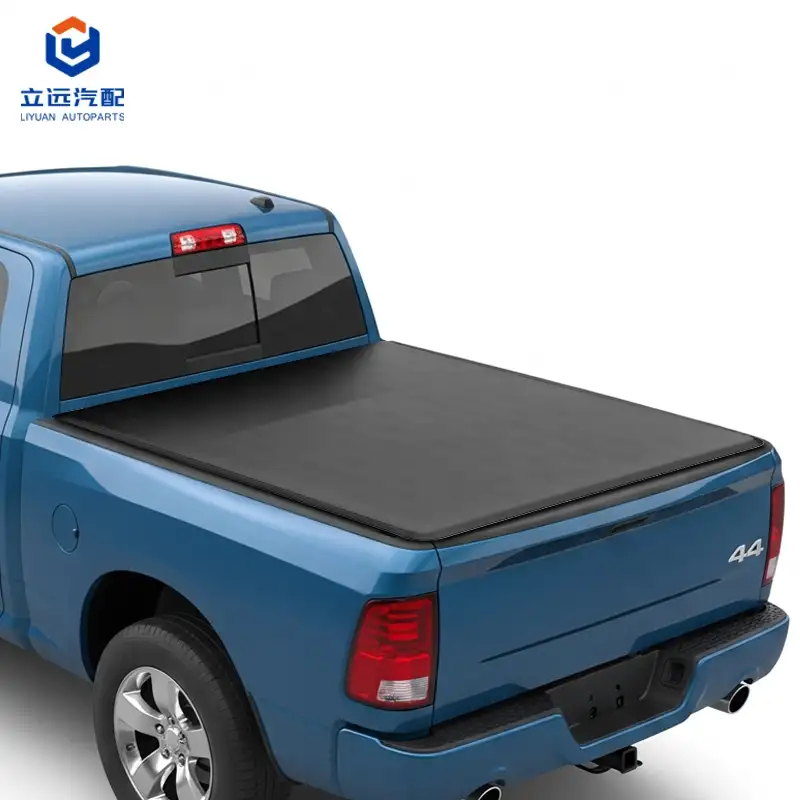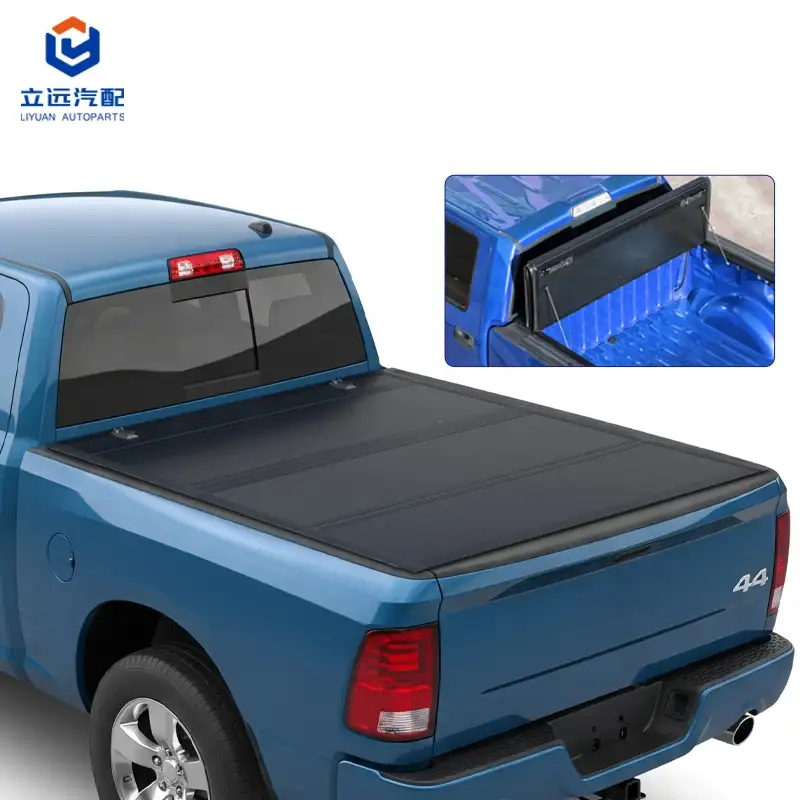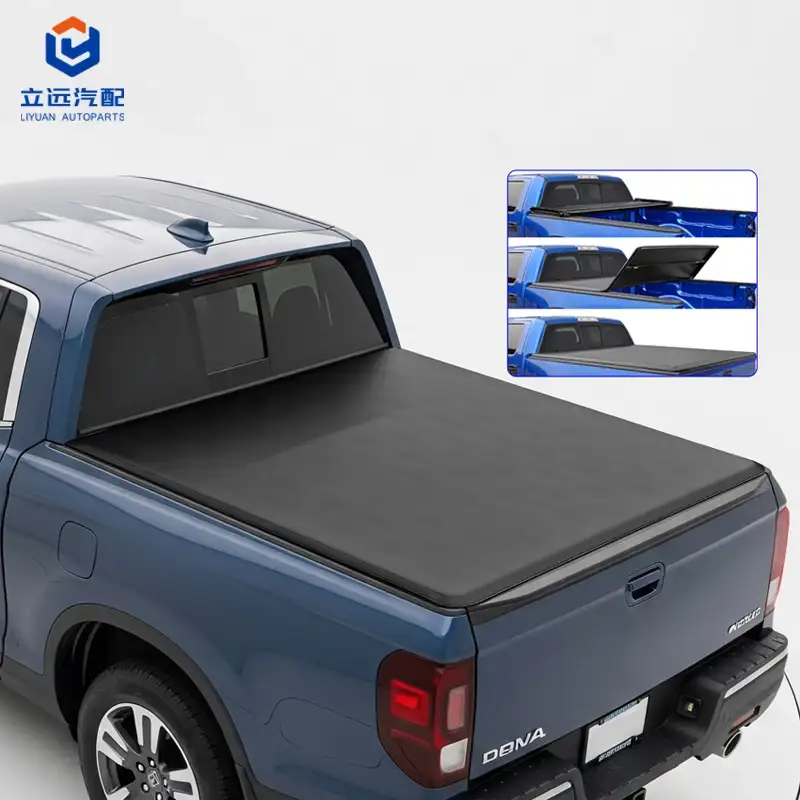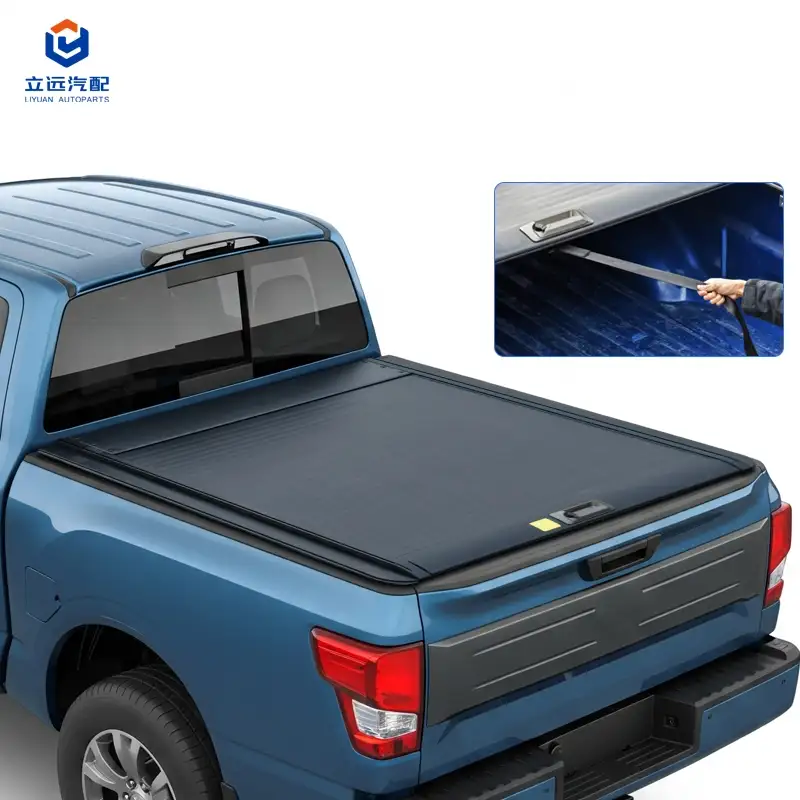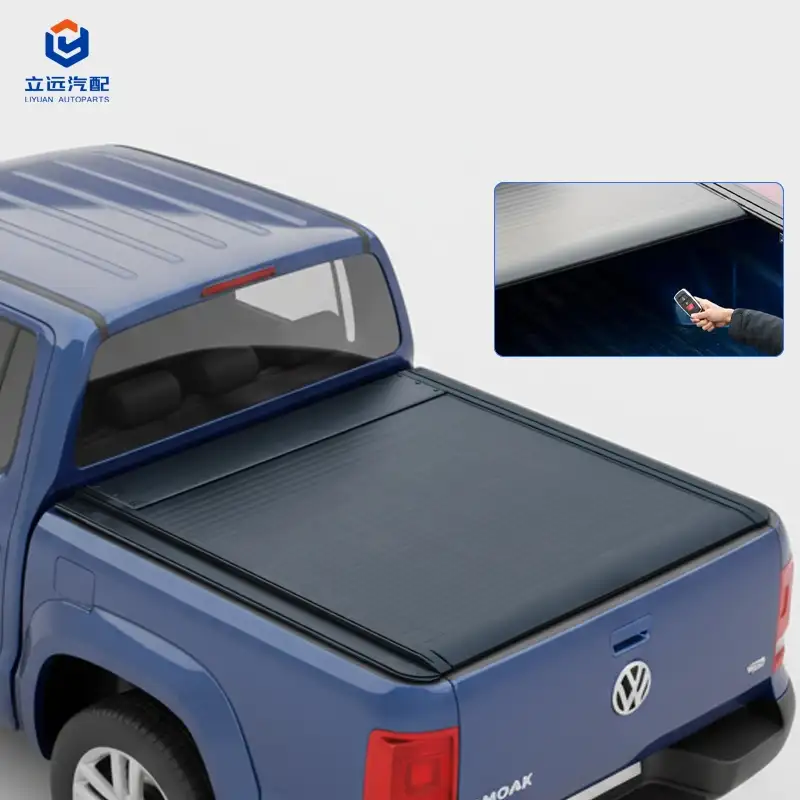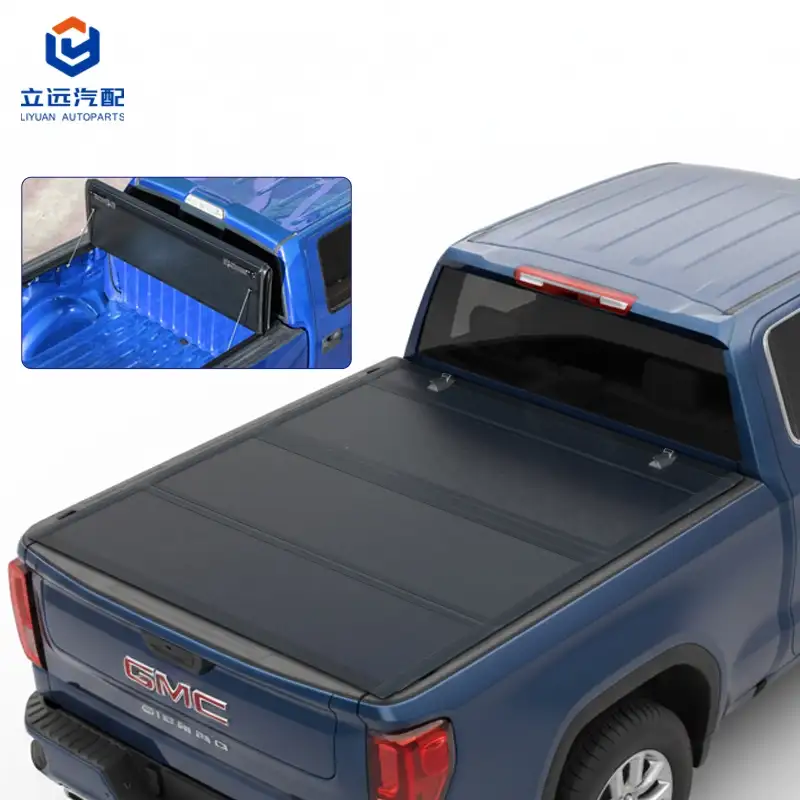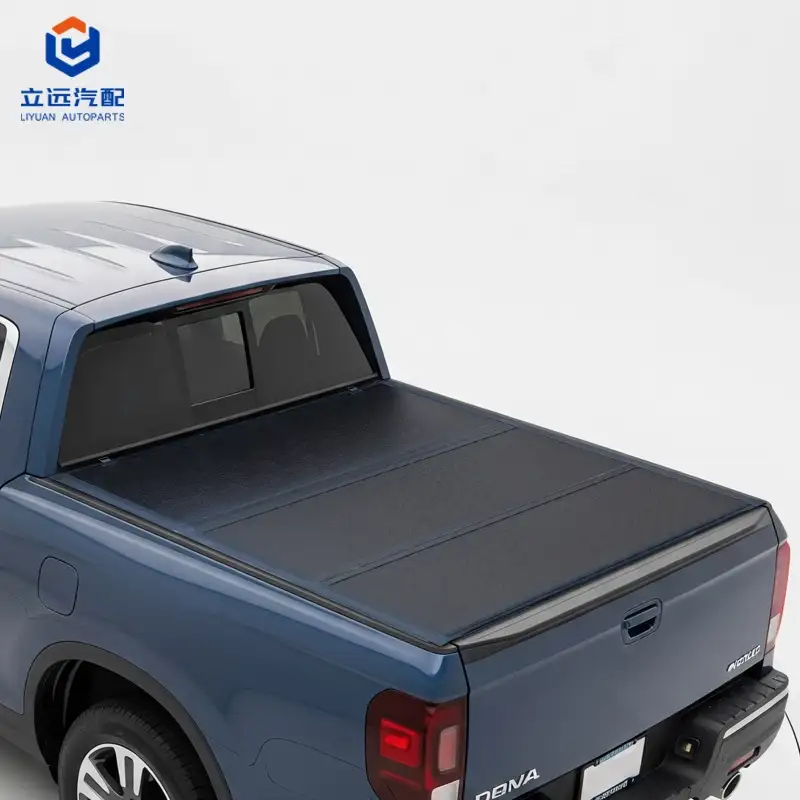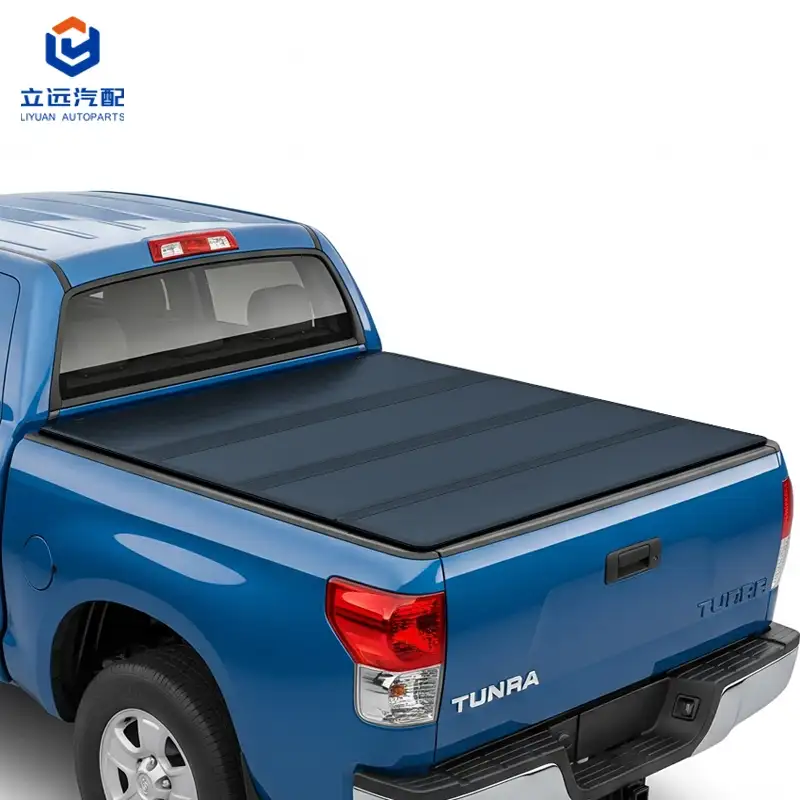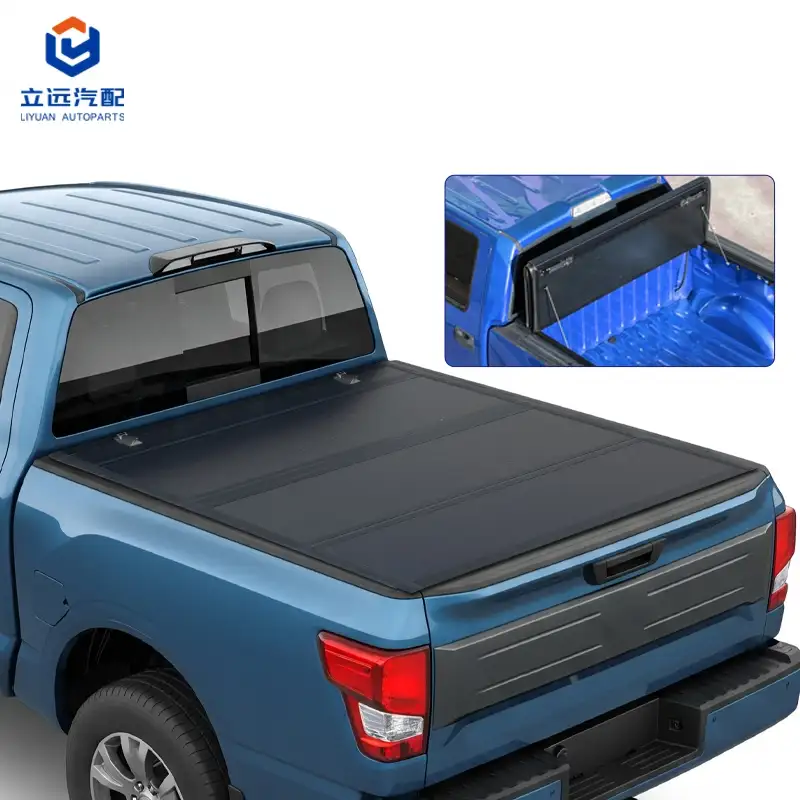
A pickup truck is built to carry tools, outdoor equipment, work supplies, luggage, and everyday essentials. However, an uncovered truck bed leaves cargo exposed to rain, road dust, sunlight, and unwanted attention. For GMC and Chevrolet owners who need practical protection without sacrificing convenient loading access, a soft roll-up tonneau cover can be a worthwhile upgrade.
A Soft Roll Up Tonneau Cover for GMC Chevrolet provides a flexible way to cover a pickup bed, help shield cargo from ordinary weather, and maintain convenient access to the entire bed. This guide explains how soft roll-up covers work, which materials and sealing features matter, how to verify vehicle compatibility, what to expect during installation, and how to maintain the cover for dependable everyday use.
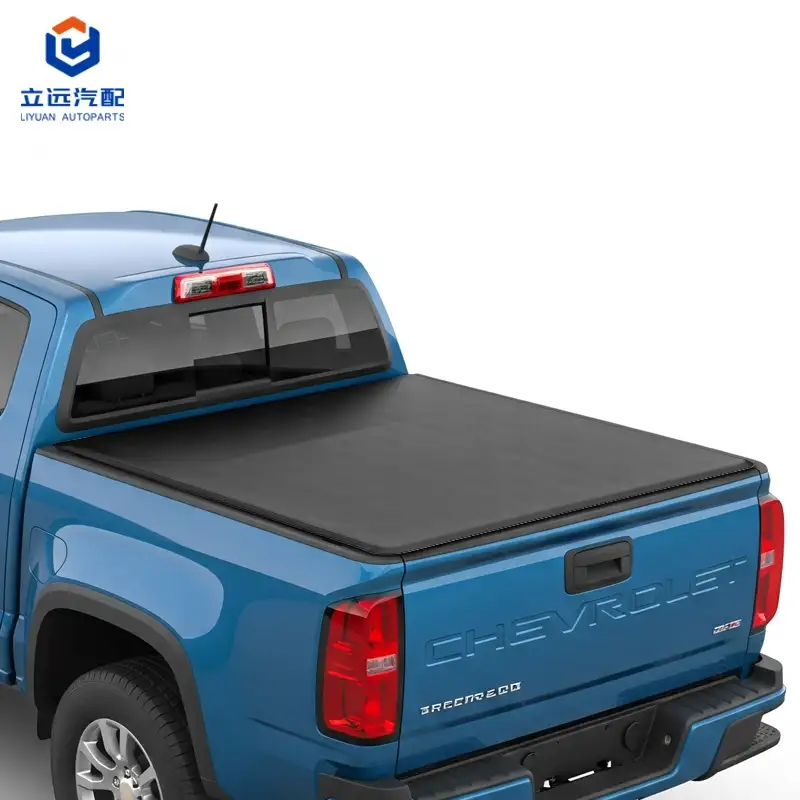
1. What Is a Soft Roll Up Tonneau Cover for GMC Chevrolet?
A Soft Roll Up Tonneau Cover for GMC Chevrolet is a flexible truck bed cover designed to fit compatible GMC and Chevrolet pickup trucks. It typically consists of a durable fabric or vinyl cover, supporting crossbars, side mounting rails, tensioning components, fastening strips, and a tailgate closure system.
Unlike a rigid one-piece lid, the cover rolls toward the cab when the driver needs access to the cargo bed. When closed, it stretches across the bed and attaches to the mounting system to create a low-profile protective surface.
This design is particularly useful for drivers who regularly switch between carrying small items and transporting larger cargo. A contractor may need to secure a collection of hand tools in the morning and load building materials in the afternoon. A family may want to protect luggage during a road trip but still use the full truck bed for camping equipment at the destination.
The central advantage: A soft roll-up cover combines convenient bed access, relatively low weight, and a straightforward operating mechanism without the bulk of many rigid cover systems.
Although the exact construction varies by product, the best choice for a particular truck depends on verified vehicle fitment, material quality, weather-sealing design, ease of operation, and the owner's cargo requirements.
2. Why Does Your Pickup Truck Need a Bed Cover?
An open truck bed is versatile, but its exposure creates several everyday challenges. Cargo can become wet during sudden showers, collect dust on highways, or deteriorate after prolonged exposure to direct sunlight. Loose items may also become visible to passersby whenever the truck is parked.
Protecting cargo during daily driving
Water-resistant materials and properly fitted perimeter seals help reduce the amount of rain entering the bed. This is useful when transporting sports equipment, packaged supplies, outdoor accessories, and other items that should not be left completely exposed.
Keeping the truck bed more organized
A cover helps create a more defined cargo area. Instead of leaving every item visible, drivers can place suitable equipment beneath the cover and arrange it according to frequency of use. Storage bins, tie-down straps, and cargo organizers can further improve convenience.
Reducing unnecessary exposure
Road grime, windblown debris, and sunlight can affect cargo during repeated journeys. A suitable cover adds a protective barrier, although it does not eliminate every environmental risk or replace proper packaging for sensitive goods.
Maintaining a clean exterior appearance
A well-fitted cover creates a more finished appearance across the truck bed. For owners who use their GMC Sierra, Chevrolet Silverado, or compatible midsize pickup for both professional and personal activities, this can be a practical aesthetic improvement as well as a functional one.
3. What Benefits Can a Soft Roll-Up Cover Deliver?
Full bed access when needed
One of the main reasons drivers choose a roll-up design is the ability to open nearly the entire cargo bed. The cover rolls toward the cab instead of leaving several rigid panels stacked above the load. This can simplify loading bulky objects, accessing equipment near the front of the bed, and cleaning the cargo area.
Convenient everyday operation
Many soft roll-up covers use simple latches, fastening strips, and adjustable tension systems. Once the driver understands the mechanism, opening and closing the cover can become a routine task rather than a complicated process.
Relatively lightweight construction
Flexible cover materials generally weigh less than many rigid cover assemblies. This can make handling and removal more manageable, particularly for drivers who occasionally need an uncovered bed. Actual weight depends on the frame, material, and mounting hardware.
Practical weather protection
A properly installed cover can help shield cargo from ordinary rainfall, dust, and sunlight. Its effectiveness depends on the fabric, rail alignment, seals, tension, and overall design. Drivers should understand the difference between water resistance and complete waterproofing before storing moisture-sensitive items.
Potential aerodynamic advantages
Covering the cargo bed changes airflow around the pickup. Depending on the truck, driving conditions, and cover design, this may improve aerodynamic efficiency. However, fuel savings are not guaranteed and should not be treated as a fixed percentage or purchasing promise.
- Convenient access to the cargo bed.
- Less direct exposure to rain, dust, and sunlight.
- A relatively lightweight alternative to many hard covers.
- A streamlined appearance when correctly installed.
- Flexible use for commuting, recreational driving, and suitable work-related transport.
4. What Materials and Features Should You Look For?
Material quality and mechanical design strongly influence how a tonneau cover performs over time. A low purchase price may be attractive, but weak fastening strips, inconsistent tension, or poorly aligned seals can create recurring problems.
Durable cover material
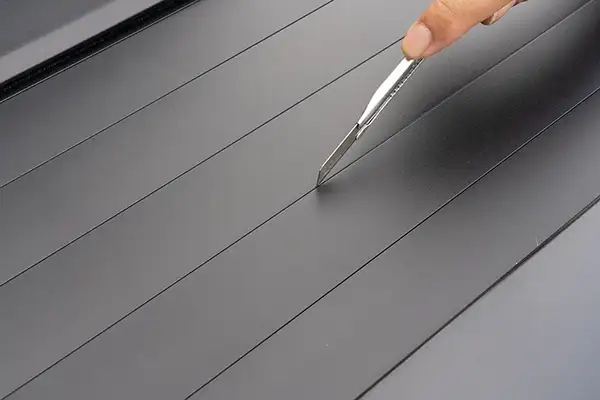
Vinyl is widely used in soft tonneau covers because it is flexible, relatively easy to clean, and suitable for outdoor applications when properly formulated. Buyers should review the material specifications, UV-resistance claims, reinforcement, stitching quality, and recommended care procedures rather than judging durability by appearance alone.
Reliable frame and crossbars
Supporting rails and crossbars help maintain the cover's shape. A suitable frame should align correctly with the truck bed and support the intended cover tension. Material, wall thickness, joining methods, and corrosion resistance are relevant considerations for long-term use.
Adjustable tension control
A tensioning system helps maintain a suitably taut cover as temperatures and environmental conditions change. If the fabric becomes excessively loose, it may sag or flap in the wind. If it is too tight, latching and closing can become difficult.
Secure fastening and perimeter seals
Hook-and-loop fastening strips, tailgate latches, and weather seals each contribute to the overall design. Check that the cover closes evenly along both sides and that the rear latch engages correctly. Good sealing depends on the entire installation rather than a single component.
| Feature | What to Check | Why It Matters |
|---|---|---|
| Cover material | UV resistance, flexibility, reinforcement | Helps withstand regular outdoor exposure |
| Frame | Rail alignment, construction, corrosion resistance | Supports stable installation and operation |
| Tension system | Adjustment range and ease of use | Helps control sagging and uneven closure |
| Sealing system | Side seals, front seal, tailgate interface | Helps reduce water and dust entry |
| Mounting hardware | Clamp compatibility and installation instructions | Supports secure attachment to the truck bed |
| Warranty | Coverage period, exclusions, claim process | Clarifies the manufacturer's after-sales commitments |
5. What Determines the Right Fit for GMC and Chevrolet?
Vehicle compatibility is one of the most important factors when purchasing a Soft Roll Up Tonneau Cover for GMC Chevrolet. Even when two pickups belong to the same brand, their bed dimensions, rail profiles, mounting points, and accessories may differ.
Identify the exact vehicle configuration
Start by recording the vehicle's make, model, model year, and bed length. Examples include the GMC Sierra 1500, GMC Canyon, Chevrolet Silverado 1500, and Chevrolet Colorado. These names are useful starting points, but they do not establish that one cover fits every version.
Bed lengths and configurations can vary between model years, cab styles, and trim levels. Confirm the manufacturer's fitment information for the exact vehicle rather than relying on a general statement that a cover fits GMC or Chevrolet trucks.
Measure the truck bed accurately
If measurements are required, follow the cover manufacturer's specified measuring method. Nominal bed lengths are often rounded, so the number in a vehicle brochure may not equal the actual measurement used to determine accessory compatibility.
Check existing bed accessories
Bed liners, rail caps, utility racks, tie-down systems, and other accessories can affect mounting clearance. An over-the-rail liner, for example, may change how a mounting clamp contacts the bed rail. Confirm compatibility before ordering or modifying any components.
Verify tailgate and rail clearance
The cover should close without obstructing the tailgate or interfering with other truck-bed equipment. Buyers should also check whether their intended configuration requires specific clamps, brackets, or installation procedures.
Fitment rule: Confirm make, model, year, bed length, and relevant accessories before purchase. A cover that is almost the correct size is not a reliable substitute for a properly matched product.
6. What Weather Protection Can You Expect?
Weather protection is a common reason for buying a soft tonneau cover, but realistic expectations are essential. Most soft covers are designed to resist ordinary exposure, not to create a completely sealed, waterproof cargo compartment under every possible condition.
Rain and water entry
Water may enter around the tailgate, front bulkhead, seams, or side rails if the seals are damaged or the installation is not aligned correctly. Heavy rain, wind-driven water, and certain vehicle-washing methods can increase the risk of moisture entering the bed.
For items that must remain dry, use suitable waterproof containers or protective packaging in addition to the cover. This is particularly important for electronics, documents, textiles, and equipment that can be damaged by moisture.
Wind and road dust
Proper tension and secure fastening help reduce fabric movement while driving. Inspect the side fastening strips and latches regularly, and never drive with a cover rolled open unless it is secured exactly as directed by the manufacturer.
Sunlight and temperature changes
Outdoor exposure can gradually affect flexible materials, seals, and fastening components. In hot conditions, UV-resistant materials and regular cleaning help preserve appearance. In cold weather, some covers become less flexible, so forcing a stiff or frozen cover can damage the material or hardware.
- Inspect seals after installation and after adjustments.
- Remove leaves and debris that could interfere with closure.
- Keep the cover correctly tensioned according to its instructions.
- Avoid directing high-pressure water at seams and closure points.
- Use additional cargo protection when complete dryness is essential.
7. What Is the Proper Installation Process?
Many soft roll-up tonneau covers use clamp-based mounting systems and may not require drilling. However, the exact installation procedure varies by product and vehicle configuration. Always follow the instructions supplied with the specific cover.
Step 1: Prepare the truck bed
Park on a level surface, apply the parking brake, and clean the mounting areas. Remove dirt and debris from the bed rails so that clamps and seals can make proper contact.
Step 2: Position the side rails
Place the rails according to the installation instructions. Check their alignment and confirm that the front and rear positions are correct before tightening the mounting hardware.
Step 3: Attach the cover assembly
Install the rolled cover and connect it to the designated mounting points. Make sure the assembly sits evenly and that all required components are present.
Step 4: Adjust tension and seals
Unroll the cover and check the tension, fastening strips, front seal, and tailgate closure. Make small adjustments as directed by the manufacturer. Uneven tension can create gaps or make the latches difficult to engage.
Step 5: Inspect before driving
Open and close the cover several times to confirm smooth operation. Check the clamps, latches, and straps, and ensure that the cover is fully secured in the closed or rolled-open position before moving the vehicle.
After the first few journeys, inspect the mounting hardware again if the manufacturer recommends it. Correct any movement or alignment issues before continued use.
8. What Maintenance Helps Extend Service Life?
Routine maintenance can help preserve the cover's appearance, flexibility, and operating performance. A simple inspection schedule is often more useful than waiting until a seal fails or the cover becomes difficult to close.
Clean the surface correctly
Use mild soap, water, and a soft cloth or brush when permitted by the product instructions. Avoid aggressive solvents, abrasive tools, or unapproved chemicals that may damage the coating, stitching, or fastening materials.
Inspect the mounting system
Check the clamps, rails, latches, and crossbars for looseness, corrosion, visible deformation, or damage. Tighten or replace components only as specified by the manufacturer.
Keep seals and fastening strips clean
Dust, mud, and accumulated debris can interfere with fastening and sealing. Clean these areas regularly and allow components to dry as appropriate before closing the cover.
Store and roll the cover properly
When opening the cover, use the designated rolling direction and secure all supplied retention straps. Do not leave a rolled cover unsecured during driving, because wind can damage the assembly or create a road hazard.
| Inspection Item | Recommended Action |
|---|---|
| Cover surface | Clean dirt and check for tears or unusual wear. |
| Side fastening strips | Remove debris and check that the strips engage evenly. |
| Seals | Look for displacement, cracking, or damaged sections. |
| Clamps and rails | Inspect alignment and mounting security. |
| Tension and latches | Confirm smooth operation and secure closure. |
9. How Does a Soft Roll-Up Cover Compare With Other Types?
Soft roll-up covers are not the ideal solution for every pickup owner. Comparing the main designs against actual usage requirements helps clarify the trade-offs before purchasing.
| Cover Type | Main Advantage | Important Limitation | Suitable Use |
|---|---|---|---|
| Soft roll-up | Flexible material and broad bed access | Limited resistance to deliberate cutting | Everyday cargo and recreational use |
| Soft folding | Simple sectional opening | Folded panels can restrict access or visibility | Frequent partial-bed access |
| Hard folding | Rigid panels and generally stronger physical protection | Can be heavier and bulkier | Owners prioritizing a rigid cover |
| Hard roll-up | Roll-up access with rigid cover sections | Often heavier and more expensive | Owners seeking a balance of access and security |
| Retractable | Convenient sliding operation | May require additional storage space or a canister | Drivers who prefer a retracting mechanism |
If your priority is quick access, manageable weight, and practical everyday coverage, a soft roll-up cover may be a strong fit. If you regularly leave expensive tools unattended, a rigid cover with a suitable locking system may be more appropriate.
Regardless of style, a tonneau cover should not be treated as a guarantee against theft. The actual protection depends on its construction, locking arrangement, installation, and the circumstances in which the vehicle is parked.
10. What Should You Check Before Purchasing?
Before ordering a Soft Roll Up Tonneau Cover for GMC Chevrolet, review the following checklist to reduce compatibility problems and avoid paying for features that do not match your needs.
- Vehicle fitment: Confirm the exact make, model, model year, and bed length.
- Bed accessories: Check compatibility with bed liners, rail caps, racks, and other installed equipment.
- Material: Review the cover's construction, UV resistance, reinforcement, and care requirements.
- Weather protection: Examine the sealing arrangement and understand the stated performance limitations.
- Installation: Verify the mounting method, required tools, instructions, and whether professional assistance is advisable.
- Daily operation: Check the latch design, tension adjustment, and method for securing the rolled cover.
- Warranty: Read the coverage terms, exclusions, and procedures for replacement parts or claims.
- Supplier support: Ask whether fitment assistance, product documentation, and after-sales support are available.
- Budget: Compare the total cost, including shipping, installation, accessories, and potential maintenance.
Questions to ask a supplier
For individual buyers, the most important question is whether the cover is confirmed to fit the exact vehicle. For distributors, importers, and automotive accessory businesses, product consistency and supply arrangements also matter.
- Which GMC and Chevrolet configurations are confirmed compatible?
- What materials, frame specifications, and sealing components are used?
- Are installation instructions and replacement components available?
- What warranty conditions apply to normal use?
- Can the supplier discuss customization, packaging, and order requirements where applicable?
Clear answers help buyers assess product suitability without relying solely on promotional claims or appearance.
11. Frequently Asked Questions
1. Does a soft roll-up tonneau cover fit every GMC or Chevrolet pickup?
No. Compatibility depends on the specific model, model year, bed length, rail configuration, and installed accessories. Always verify the product's fitment information before ordering.
2. Is a soft roll-up tonneau cover waterproof?
Most soft roll-up covers are designed to resist weather rather than guarantee complete waterproofing. Correct installation and intact seals help reduce water entry, but heavy rain and wind-driven water can still reach the truck bed.
3. Can I install a soft roll-up cover myself?
Many models are designed for do-it-yourself installation using clamps and basic tools. Follow the supplied instructions, verify rail alignment, and check all mounting points before driving. Some configurations may require professional assistance.
4. Can I still carry large items with the cover installed?
Yes, when the cover is fully rolled open and secured as instructed. Check the available clearance and ensure that the load is properly restrained. Never allow cargo to interfere with visibility, vehicle operation, or road safety.
5. Does a soft tonneau cover prevent theft?
It can conceal cargo and may discourage casual interference, but flexible material generally offers less resistance to deliberate cutting than a suitable rigid cover. Do not rely on a soft cover alone to protect valuable tools or unattended high-value equipment.
6. Will a tonneau cover improve fuel economy?
It may affect aerodynamic drag, but the result varies with the truck, cover design, speed, and driving conditions. No specific fuel-saving percentage should be assumed without reliable testing under comparable conditions.
7. How should I maintain a soft roll-up tonneau cover?
Clean it with approved products, remove debris from seals and fastening strips, inspect the frame and mounting hardware, and maintain the recommended tension. Follow the manufacturer's instructions for cold-weather operation and long-term care.
8. What is the most important factor when choosing a cover?
Correct vehicle fitment should come first. After confirming compatibility, compare material quality, weather resistance, security needs, installation requirements, warranty coverage, and overall cost.
9. Is a soft roll-up cover suitable for commercial use?
It can suit commercial drivers who need convenient cargo access and everyday weather protection. Businesses transporting valuable equipment or goods requiring strict moisture control should evaluate additional security and packaging measures.
10. What should distributors consider when sourcing tonneau covers?
Distributors should evaluate fitment coverage, construction consistency, product documentation, packaging, warranty terms, replacement-part availability, and supplier communication. Order quantities and customization options should be confirmed directly with the manufacturer.
Find a Practical Tonneau Cover Solution for Your Pickup
A well-matched soft roll-up tonneau cover can make everyday truck ownership more convenient by helping protect cargo, simplifying loading, and keeping the bed covered when it is not in use. The best results start with accurate fitment information, suitable materials, dependable mounting hardware, and realistic expectations about weather protection and security.
Cixi City Liyuan Auto Parts Co., Ltd. is the company to contact for further information about its automotive parts and tonneau cover solutions. Buyers and business partners can discuss product specifications, compatible vehicle configurations, supply requirements, and available customization options directly with the company.
Looking for a suitable cover for your GMC or Chevrolet pickup, or exploring automotive accessory sourcing for your business? Contact us to discuss your requirements and obtain product information before making your purchasing decision.